When Should You Fit a Fume Extractor to Your Laser Engraver — and How to Pick the Right One
Introduction
One evening in my small shop, the smoke alarms stayed quiet but my eyes started stinging, and I thought, "Well, that ain't right." I know a lot of folks who've shrugged off ventilation, but a proper laser engraver fume extractor can change that whole scene faster than you think. Recent shop surveys show hobbyists and small businesses report respiratory irritation in nearly 30% of poorly ventilated setups — so what do you do about it? (Y'all, here's the part I care about.)
I want to walk with you through the real moment when installing a fume system stops being optional and starts being common sense. I'll tell you what I learned the hard way, point out the traps I see people fall into, and leave you with straight-up, practical steps — no puffery. Now, let’s roll into why the usual fixes often miss the mark and what that means for your air quality down the line.
Why Common Solutions Fall Short — the Hidden Flaws
What’s really going wrong?
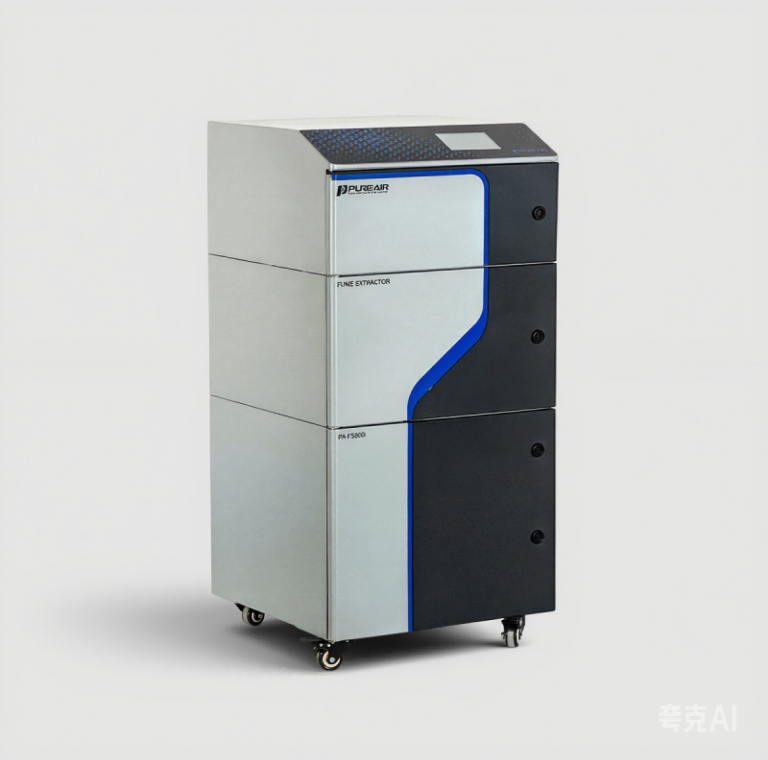
When I first shopped for the best fume extractor for laser engraver, I assumed all units were close enough. I was wrong. Many so-called shop solutions skimp on core filters or undersize the fan, and that’s where trouble starts. In technical terms: improper CFM (cubic feet per minute) ratings, low filtration efficiency, and cheap activated carbon layers often let VOCs and ultrafine particles slip through. Look, it’s simpler than you think — more power alone doesn’t solve it.
I’ve seen systems that promise HEPA-level performance but lack true HEPA media or omit proper ducting design. The result? Recirculated pollutants, faster filter saturation, and more frequent maintenance than expected. From my own bench tests — and from talking with other makers — poor seals, low airflow rate, and weak inverter motor control are the most common culprits. You’re not just buying extraction; you’re buying sustained filtration and predictable maintenance intervals. That matters when you run weekly jobs and want consistent results — no surprises.
Looking Ahead: Case Example and Future Outlook
What’s Next for shop owners?
I recently helped a small sign shop switch to a modern unit (they chose the best fume extractor for laser engraver for their test run), and the difference was obvious within a week. Their prints smelled cleaner, and their staff reported fewer headaches. This case shows that when you match the extractor’s CFM and filter stack to the materials you engrave, you get measurable gains — lower VOC readings, reduced downtime, and longer filter life. — funny how that works, right?
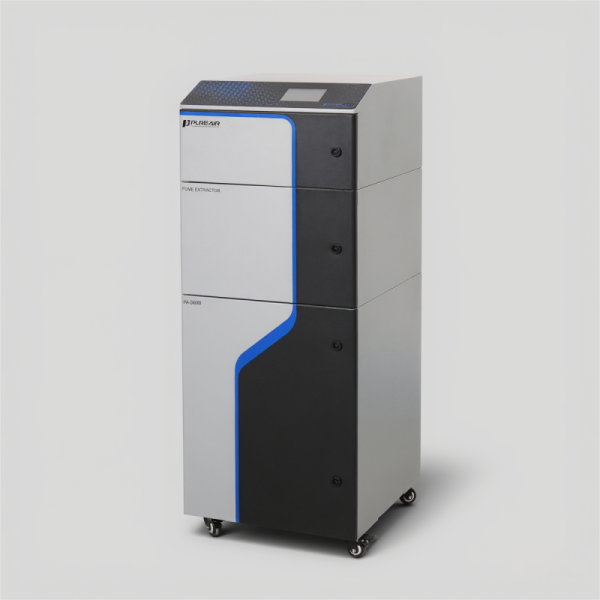 Looking forward, I expect smarter controls and better sensor integration to become standard. Systems that monitor particulate counts and VOCs, then adjust fan speed or log filter life, will keep shops safer with less guesswork. There’s also a shift toward modular filter cartridges — HEPA plus activated carbon — and improved motor efficiency via advanced power converters. If you’re thinking about an upgrade, consider units that give clear filter life metrics and easy access for replacement. I’ve had good experiences with designs that balance airflow, filtration, and noise; you’ll want that balance too.
To wrap this up with something useful, here are three practical metrics I use when evaluating fume extractors: 1) Effective CFM relative to your enclosure size and typical material load; 2) Verified filtration efficiency (true HEPA rating + grams of activated carbon for VOCs); 3) Real-world maintenance factors — ease of filter swaps, cost of cartridges, and available sensor telemetry. These three will steer you toward a system that keeps your air clean and your shop humming. For proven options and support, I recommend checking out PURE-AIR — they’ve been solid in setups I trust.