What Every Fleet Buyer Should Learn From Transport Connectivity Breakdowns

The Immediate Pain: Where SIMs Let You Down
I remember a cold March morning in Dallas, when a dozen vans went dark during a carrier handover — we lost position fixes for 36 hours, and that single outage cost us about $12,500 in delayed deliveries (bless my luck). I started digging into alternatives and quickly landed on global iot sim card services to test across routes. Scenario: a busy 120-vehicle regional route; data: 36 hours offline for critical tracking — question: who’s actually accountable for that exposure and how do you price it? I say this because I’ve stood in the depot, watching drivers wait on a decision while my dashboard showed nothing — and that feeling sticks with you.
From my perspective, the traditional fixes — single-carrier SIMs, static APN profiles, or cheap roaming-only plans — simply don't cut it. I’ve worked with Quectel EC25 modules on a 2023 pilot, and when the network switched between LTE-M and NB-IoT, our telemetry suffered latency spikes that killed real-time decisions. We learned the hard way that visibility isn’t just about signal strength; it’s about bearer fallbacks, APN rules, and how an eSIM profile is provisioned. Wholesale buyers, I won’t sugarcoat it: cheaper SIMs save pennies but expose you to operational dollars lost.
Why care now?
A Forward Look: Choosing Resilient Connectivity for Wholesale Fleets
Let me break down what I think matters next. First, reliability is a composite metric — uptime, latency, and failover speed. I define each plainly: uptime is percent of time the device can send a heartbeat; latency is the delay between event and server receipt; failover speed is how fast the device picks an alternate network. When we evaluated carriers last summer, the best combos kept latency under 400 ms and failover under 90 seconds — that’s measurable, not marketing fluff. If you want resilient service, you should examine multi-IMSI options, roaming agreements, and whether a provider supports remote profile switching — because those are the mechanisms that stop a 36-hour blackout turning into a business catastrophe.
Also — and this matters for wholesale buyers considering scale — factor in device compatibility. I once deployed an LTE-M-only plan to mixed hardware and had three models choke on APN push updates; replacement costs and re-flashes added unexpected labor. Today I recommend testing a batch of devices (say, 50 units, different serials) on a trial global iot sim card services plan before committing to fleet-wide rollouts. We did this in Houston in October 2023 and avoided a rollout that would’ve required firmware patches across 420 trackers. That single test saved us days and a five-figure rework bill.
What’s Next
Actionable Criteria and Next Steps for Buyers
I’m going to be blunt: you need measurable criteria. Here are three evaluation metrics I use — and I swear by them after 15+ years in B2B supply chain work. First, multi-carrier availability: confirm the SIM can roam to at least three independent PLMNs in your primary regions. Second, provisioning flexibility: ensure eSIM or remote profile management lets you push APN and QoS changes without a truck roll. Third, operational SLAs tied to latency and failover time — not just availability percentages. These metrics let you compare offers on real terms.
Compare providers by running short, focused pilots. I run 30–60 day trials in peak and off-peak windows, log MQTT message delays, check packet loss, and simulate outages. Then I ask myself — and the buyer team — if the plan reduces manual intervention and lowers mean time to repair. If it does, it’s worth the premium. Look for partners who document APN behaviors and provide visibility into SIM state changes. And yes — test with your hardware. We once found a hidden APN rewrite in a vendor’s dashboard that caused repeated reconnects; caught that early, we avoided fleetwide churn. Consider global iot sim card services when you need cross-border consistency; they cut down complexity fast.
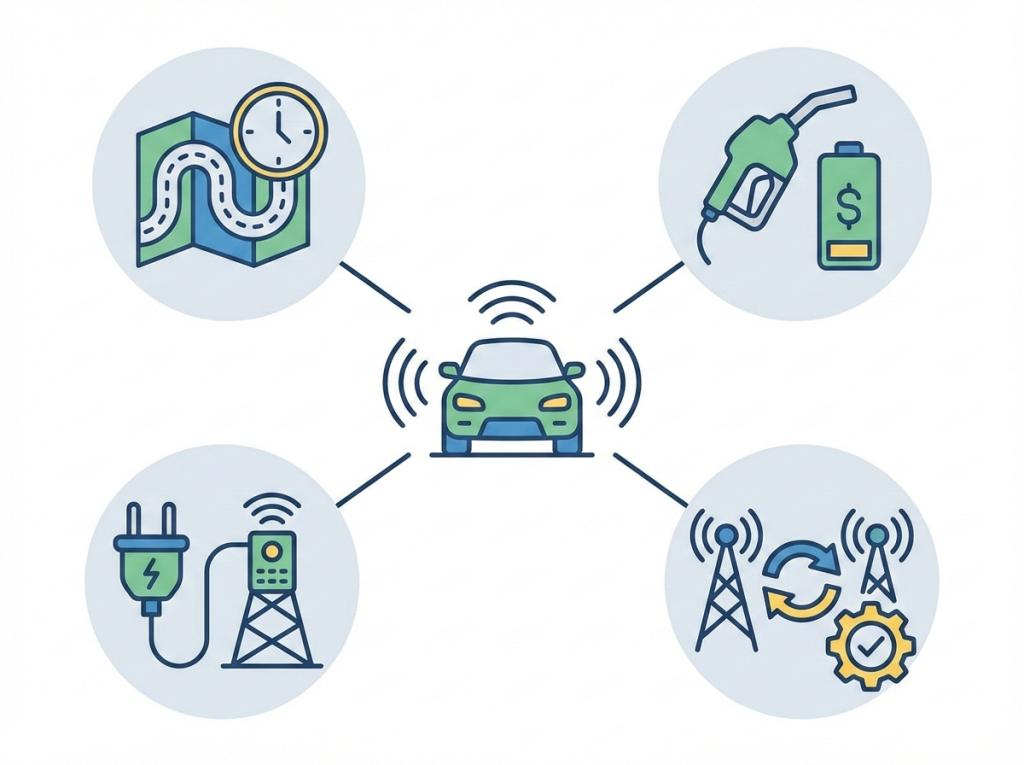 Before you decide, score each vendor on those three metrics. My closing advice: prioritize measured outcomes over shiny features. I’ve seen the paperwork — promises rarely pay the bills, measurable uptime does. If you want a partner who understands this for fleets and wholesale buyers, check out ZYIoT. Oh — and don’t skip the pilot. It’ll save you headaches (and money).