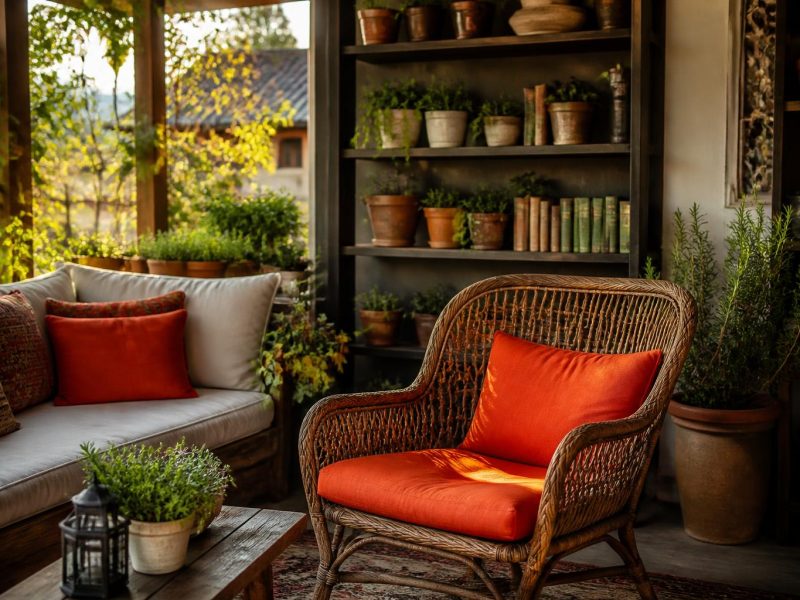
Smart, Sustainable Garden Makeovers: Practical Steps for a Richer Home Exterior and Interior Link to Gardening Harmony
Practical, sustainable ideas to elevate your garden, decor, and interior spaces with tangible home improvement results and expert tips.

Introduction to a Cohesive Outdoor-Indoor Space
When you blend gardening with careful home improvement, you create a seamless flow from outdoor patios to interior living rooms, reinforcing a sense of calm and function. A thoughtful approach considers sun exposure, soil health, and the rhythm of seasons as you select plants, mulch, and furniture that endure. automatic lawn mower can reduce maintenance while preserving the natural texture of your lawn, freeing time for meaningful decor updates and practical improvements inside the home.
Your home’s exterior is simply an extension of its interior design language. Start by mapping sightlines from windows to garden beds, choosing plant colors that complement wall tones and architectural details. This alignment invites guests to experience a cohesive narrative, whether through a shaded seating nook, a stone pathway, or a weathered timber fence that doubles as an artful backdrop for seasonal decor and functional gardening zones.
Soil, Water, and Plant Choices for Long-Term Health
Healthy soil begins with a baseline test to understand nutrient levels and pH, guiding amendments like compost, lime, or sulfur. Following a seasonal schedule ensures that perennials, shrubs, and edibles establish strong roots before hot or cold extremes hit. Consistent watering strategies, such as drip irrigation or mulch rings, conserve water and support resilient growth while keeping your interior decor focused on comfort and practicality.
Choosing plants with complementary textures—grasses, broad-leaf evergreens, and flowering perennials—creates a layered garden that looks intentional year-round. Group plants with similar water needs near the same irrigation lines to simplify maintenance and prevent overwatering. This approach reduces stress on both the landscape and your budget, supporting a home improvement mindset that values efficiency and sustainability.
Hardscaping: Paths, Patios, and Storage as Design Elements
Quality hardscaping anchors your garden, providing durable pathways, seating areas, and storage that reduce clutter and encourage outdoor use. Consider flagstone or paver paths that echo architectural lines, plus a compact patio for dining or reading. Thoughtful lighting and weather-resistant furniture complete the scene, guiding evening activities without compromising curb appeal or interior comfort.
Storage integrated into fencing or behind trellises keeps tools and soils organized, protecting plants and minimizing everyday chaos. Well-placed retaining walls or steps can create microclimates for sun-loving and shade-tolerant species, enabling a diverse planting palette while preserving a tidy, accessible outdoor space that mirrors the order you strive for inside the home.
Water Features and Microclimate Management
A small water feature can introduce soothing sound, attract beneficial wildlife, and help regulate microclimates around seating areas. Consider a compact fountain or a recirculating basin that is easy to maintain with seasonal cleaning and discreet filtration. Pair the feature with drought-tolerant plantings to balance beauty with responsible water use, reinforcing a decor-ready landscape that remains practical for daily life inside the house.
Position water features to minimize maintenance while maximizing sensory impact: place near seating, shielded from harsh afternoon sun, and integrated with planters that conceal plumbing. The right combination of shade, windbreaks, and plant fragrance can elevate your home’s interior vibe as you transition from garden-to-room, supporting a cohesive design that emphasizes calm and function.
Lighting, Color, and Seasonal Decor in Exterior Spaces
Outdoor lighting should extend usability after dark and emphasize architectural features without overpowering natural beauty. Layered lighting—path lights, uplights for trees, and subtle interior-glow through windows—creates depth and safety. Use warm color temperatures to align with interior lighting, so the transition from outside to inside feels intentional and comforting during evenings and holidays.
Seasonal decor can be lightweight and reversible, such as removable planters, weatherproof textiles, and modular screens that dress up a porch or entryway without damage to underlying structures. Maintaining a consistent color palette that echoes interior schemes helps knit exterior and interior spaces into a single, livable home improvement project worth admiring year-round.
Edible Landscaping and Practical Edges
Integrating edible plants into ornamental borders increases garden productivity while maintaining aesthetic appeal. Compact fruit trees, herbs near the kitchen, and small vegetable beds provide fresh produce with minimal footprint. Combine edible layouts with decorative edging to keep harvests tidy and accessible, encouraging regular care without turning the space into a chore.
Seasonal pruning and succession planting keep beds vibrant from spring through fall, reducing bare pockets and supporting pollinator-friendly habitats. Documenting planting dates and growth observations helps you refine routines, turning gardening into a predictable, enjoyable activity that complements a well-ordered interior life and decor strategies inside the home.
Maintenance Routines that Respect Time and Budget
Efficient maintenance starts with a simple weekly checklist: weeding, pruning, and mulching sessions protect plant health and reduce disease risk. A small, predictable routine prevents overwhelming tasks and frees weekends for family time or interior improvements, reinforcing a sustainable approach to both garden and home life.
Investing in durable tools and smart storage keeps maintenance predictable and less stressful. Simple automation, like a programmable irrigation controller, can save water and prevent plant stress, while seasonal cleanup focuses on minimizing waste and maximizing reuse of compost and mulch. This practical framework supports a calmer, more intentional home environment that extends from yard to interior decor.
Texture notes and practical tips
- Use crushed stone or gravel for drainage in damp spots to protect both soil health and adjacent interior floors from mud tracks.
- Incorporate vertical planters to maximize small-space gardening without sacrificing floor space or decor harmony.
- Choose native species to reduce irrigation needs and support local biodiversity, aligning with sustainable home improvement goals.