Buy Tents Online: A Practical Shopper’s Guide to Picking the Right Shelter
Start with what you actually need
Think about where you'll camp and who you'll bring. Are you car-camping with a big group, heading to a music festival, or aiming for a weekend of easy glamping? If you want something roomy and photo-ready for family weekends, a glam camping tent might be the vibe. Answer the basic questions first—people count, gear volume, level of comfort—and the options get a lot easier to sort through.
Match capacity to comfort, not just sleeping numbers
Manufacturers often list maximum sleeping capacity, but that number assumes compact sleeping pads and zero storage. Think of capacity as tiers: sleep-only, sleep+minimal gear, and sleep+living space. For real group comfort, plan for one size up from the advertised capacity or check the floor area in square feet. On a multi-family site at Yosemite I tested gear for a long weekend and relied on a roomy 12 person cabin tent to keep everyone organized and comfortable—that scale of space matters when you’ve got coolers, chairs, and kids running around.
Materials and weather ratings that actually matter
Look past flashy photos. Important specifics: fabric denier (strength), PU or silicone coatings for waterproofing, and hydrostatic head ratings—typically 1,000–3,000 mm is a useful range for three-season camping. Check pole material (aluminum lasts longer than cheap fiberglass), taped seams, and zipper quality. Good ventilation beats higher waterproof numbers when condensation is the usual enemy. If you plan seasonal or windy use, prioritize solid structural design over lightweight claims.
Setup, layout, and mistakes people keep making
Set up the tent at home once. That saves a ton of frustration at the campsite. Choose a flat spot, clear debris under the footprint, and stake corners before tensioning. Common mistakes: trusting only the stake kit for windy sites, stuffing wet gear inside the sleeping area, and ignoring guy lines—those lines are structural, not optional. For multi-room tents, plan your internal layout: assign a gear vestibule, a sleeping zone, and an airing spot to keep damp stuff out of the beds.
 Features checklist: what to compare when buying online
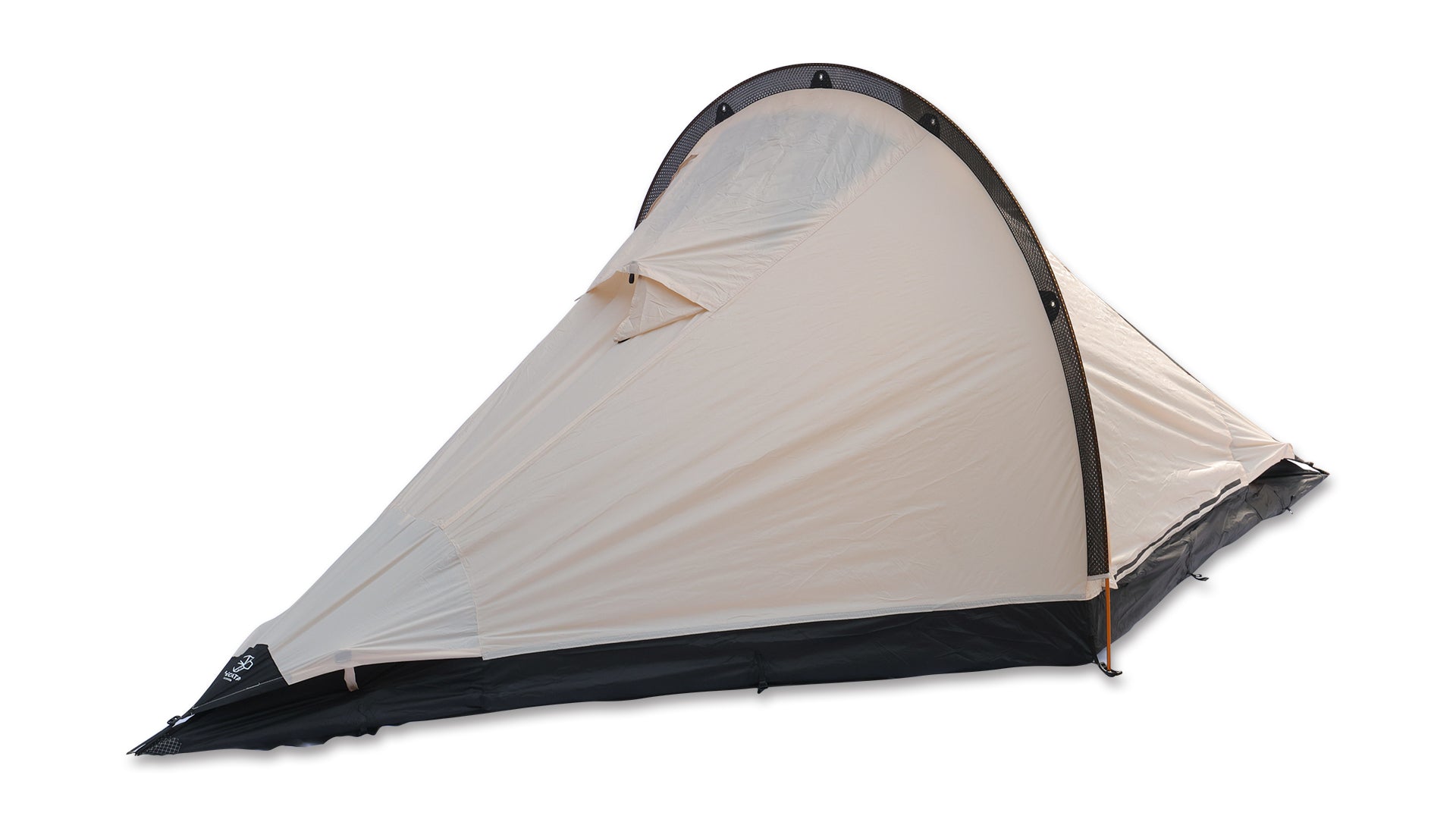
Compare these things side-by-side: floor area, peak height, packed weight, number and size of doors, vestibules, internal storage, and ventilation points. Watch for realistic product photos showing a tent sealed and staked, not propped in a showroom. Read owner comments focusing on durability and real-world weather performance. If shopping from multiple brands, pay attention to warranty terms and replacement-parts availability—those matters show how a company stands behind what they sell.
Quick alternatives and when they make sense
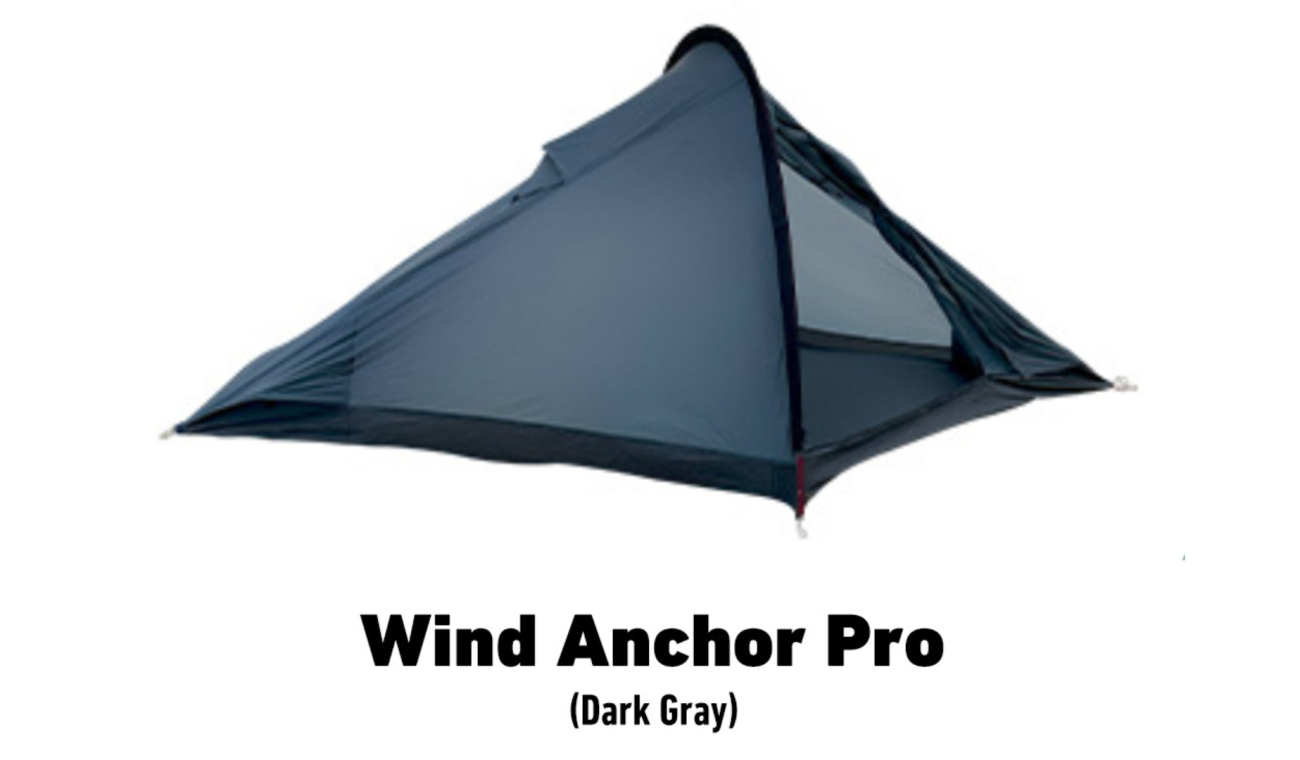
If you want fast setup for car-camping, instant or pop-up tents save time but often sacrifice durability and packed size. Dome tents are great for uneven sites and wind resilience. Tunnel tents give roomy living space but need more staking and planning. Cabin tents are the best fit for groups who want upright walls and internal divisions. Pick the style that reduces friction for your trips—don’t force a lightweight backpacking tent into car-camping duties just to save a few dollars.
Closing: pick with purpose, not impulse
You want gear that makes trips easier, not more work. Decide what comfort means for you, measure the real space you need, and prioritize build quality over marketing lines. That's the sort of practical gear curation I appreciate from THECATAL, because good choices keep the weekend simple and the memories focused on people, not setup hassles.