Designing Brands with Purpose: From Visual Identity to Living Well Travel
A practical guide to brand design that blends travel, calm living, and meaningful identity for shops, studios, and brands to know.

Foundations of Intentional Brand Design
Crafting a brand begins with clarity of purpose, audience, and a tangible point of view that can survive evolving markets. A thoughtful process balances visual identity, voice, and user experience, ensuring every touchpoint speaks in a cohesive, memorable language. By aligning design strategy with real-world uses—from storefronts to digital experiences—brands can move beyond aesthetics toward meaningful impact, inviting audiences to engage with authenticity. branding agency services provide a strong baseline for translating intent into measurable outcomes, especially when calibrating to travel-inspired wanderlust and calm living sensibilities.
Effective design practice starts with research and synthesis, transforming scattered observations into a clear design brief. Teams map customer journeys, competitive landscapes, and cultural cues to reveal opportunities for differentiation. A disciplined approach yields a system of logos, typography, colors, and patterns that are flexible enough for evolving products while anchored by a consistent brand personality that resonates with shops studios and brands to know alike.
Visual Systems That Travel Well
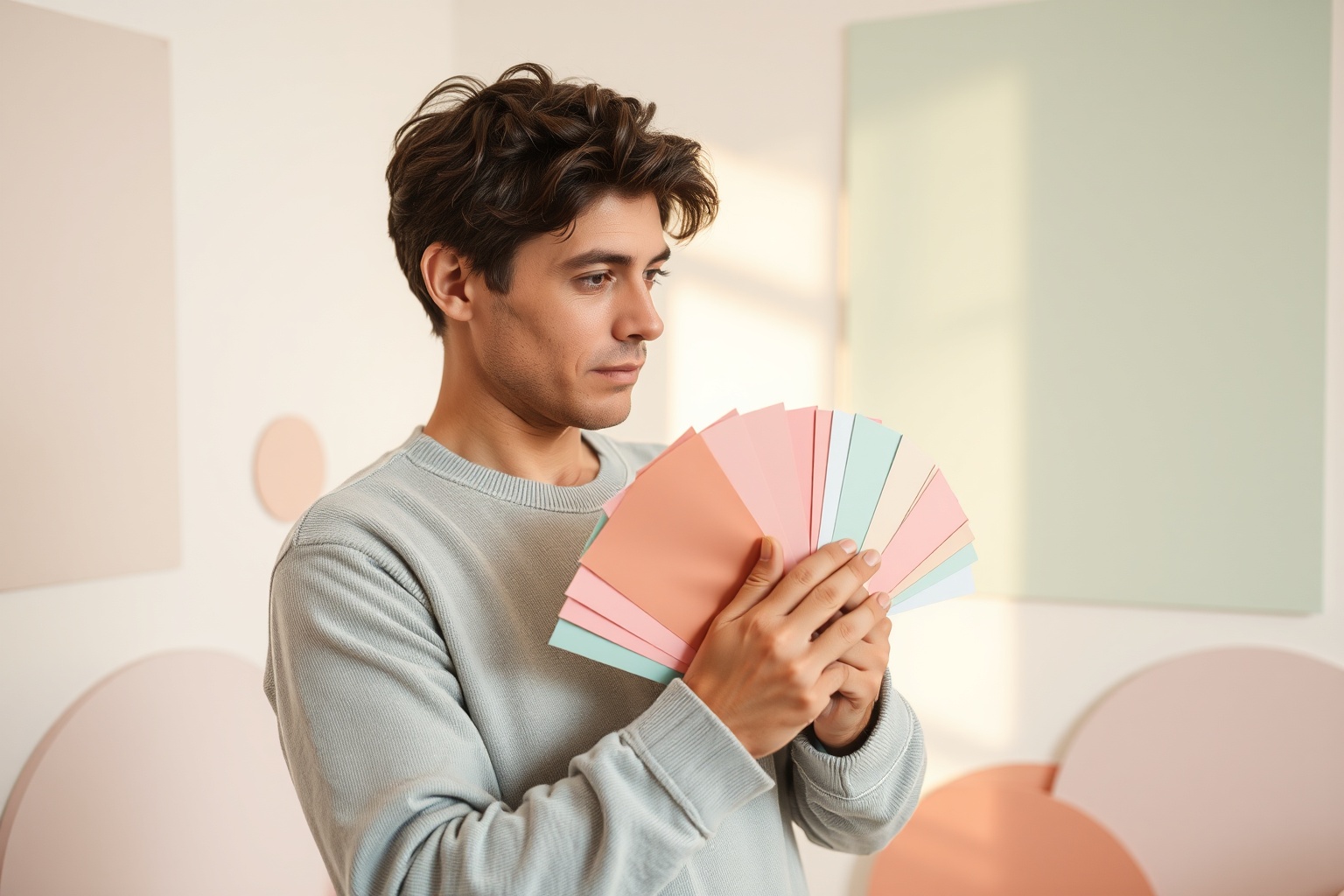
Strong visual systems are built on scalable grids, adaptable color palettes, and typographic hierarchies that perform across print and digital media. The goal is to create a modular toolkit that can accommodate evolving campaigns without losing identity. By testing assets against real-world contexts—store signage, packaging, mobile apps—designers ensure legibility, cohesion, and emotional resonance across environments and cultures, whether in a bustling marketplace or a quiet corner studio.
Color, texture, and imagery should echo the brand’s narrative while remaining versatile for various media. A well-considered system supports seasonal updates and limited-edition collaborations without compromising brand integrity. This balance between consistency and flexibility is crucial for brands to know, enabling them to expand into new markets, while preserving a calm, confident presence that travelers and locals alike can trust.
User Experience as Brand Performance
Brand performance hinges on experiences that feel intuitive, purposeful, and delightfully unexpected. From storefront layouts to online checkout flows, every interaction should reinforce the brand’s personality and promises. Designers measure usability, accessibility, and emotional impact, then refine interfaces to reduce friction and increase loyalty. A positive, coherent experience helps visitors convert into long-term supporters who advocate for the brand through word of mouth.
For travel-inspired brands, experiential design extends to physical spaces and pop-ups, where scale, lighting, and acoustics shape perception. A calm magazine aesthetic can inform online storytelling, while product photography and copy convey aspirational yet attainable living well. By curating moments rather than assets, brands create lasting associations that travelers carry with them beyond a single purchase.
Typography and Language That Speak Clearly
Typography sets the tone, signaling personality while guiding readability across formats. Choosing a primary typeface and a complementary secondary family creates a hierarchy that guides attention from headlines to body copy. For brands tied to travel and living well, typography can convey movement and ease, using generous leading and clear weights to improve legibility in print, mobile, and environmental signage alike.
Voice and tone are equally essential, shaping how stories land with audiences. A consistent narrative voice supports product descriptions, brand stories, and social content, while remaining adaptable to seasonal campaigns or collaborations with shops studios. Clear, concise language invites exploration without overwhelming the reader, turning curiosity into sustained engagement with the brand’s world.
Imagery, Texture, and Storytelling
Imagery should communicate atmosphere as well as information, blending documentary photography, illustration, and texture to evoke place and feeling. When images reflect real-world contexts—workshops, markets, or travel scenes—they become cultural signifiers that deepen brand connection. A successful set of visuals marries authenticity with aspiration, allowing audiences to picture themselves within the brand’s lifestyle universe.
Texture and materiality extend beyond visuals to tactile experiences like packaging, signage, and product surfaces. Subtle grain, embossing, and natural textures can convey quality without shouting. This tactile vocabulary supports calm, premium associations aligned with living well, while ensuring practicality for production and distribution across shops studios and travel-inspired campaigns.
Brand Architecture: Organizing for Growth
Clear brand architecture helps stakeholders understand relationships between parent brands, products, and sub-brands. An organized framework guides naming conventions, messaging hierarchies, and co-branding opportunities, reducing confusion and boosting equity. For brands targeting diverse markets, a scalable structure enables clean extensions into new lines while preserving core values and visual unity across channels.
In practice, architecture considers product families, launch pipelines, and regional variations. A well-defined map reduces duplication and conflict, ensuring that marketing efforts stay cohesive. This clarity supports efficient collaboration among design, marketing, and retail teams and empowers brands to tell consistent stories about travel, calm living, and everyday luxury.
Shops, Studios, and the Built Environment
Retail environments are living brands, where architecture, interior design, and graphics coalesce into an immersive experience. From storefront windows to interiors, the visual language must convey the brand’s personality while guiding behavior and choice. Lighting, signage, and wayfinding work in concert with product displays to nurture a calm, inviting atmosphere that encourages exploration and discovery.
Studio spaces and maker hubs offer opportunities to extend the brand into process storytelling. Showcasing studios, process diagrams, and artisan collaborations can deepen credibility and invite consumer participation. When the environment reflects the brand’s values—quality, craft, and hospitality—it reinforces trust and invites customers to linger, learn, and become ambassadors for the brand’s story.
Measurement, Adaptation, and Long-Term Health
Measurement turns creative ideas into accountable strategy. Key metrics include brand lift, engagement, conversion rates, and sentiment analysis across channels. Regular audits help identify drift between identity and perception, reminding teams to refresh visuals, copy, and experiences without losing continuity. A disciplined cadence of testing and iteration keeps a brand resilient in shifting markets.
Adaptation requires listening—collecting feedback from customers, retailers, and partners to guide refinements. Designers should anticipate seasonal changes, platform shifts, and global trends while preserving core truths about design, travel, and living well. The healthiest brands balance consistency with experimentation, ensuring relevance today and enduring resonance tomorrow.